
Mastic Patching in Central Minnesota
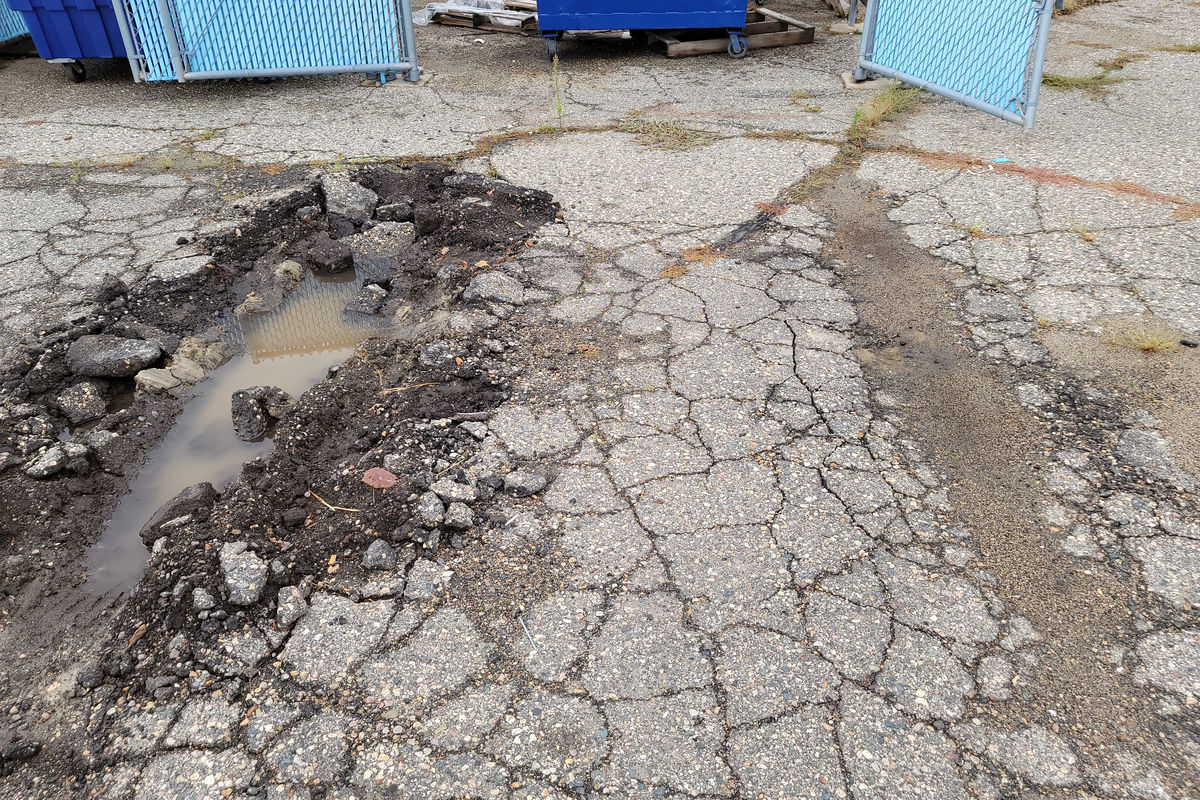
Hot-applied, flexible, aggregate-filled asphalt mastic for wide cracks, alligatored spots, depressions, potholes, and utility-cut edges. It bonds to the surrounding pavement and can take traffic quickly.
What Is Mastic Patching?
Asphalt mastic is a hot-applied, flexible, aggregate-filled material. It is heated, poured or spread into the damaged area, and leveled, filling repairs that are too wide or deep for standard crack sealant but don't need full removal and replacement.
Because it stays flexible, mastic moves with the pavement through Minnesota freeze-thaw cycles, and it bonds to the surrounding asphalt. Repairs can typically take traffic quickly.
Good candidates
- Wide cracks
- Alligatored spots
- Depressions and low spots
- Potholes
- Utility-cut edges and seams
Why mastic over other repairs
- Vs. cold patch: cold patch is a quick temporary fix that often loosens or pops out. Mastic is hot-applied and bonds to the surrounding pavement for a sealed, longer-lasting repair.
- Vs. hot-mix patching: no compaction needed, a smaller crew and less equipment, and it stays flexible through freeze-thaw cycles instead of breaking away at the edges.
- Vs. crack filling alone: standard crack sealant is great for narrow cracks but can't carry traffic over wide cracks, potholes, or depressions. Mastic contains load-bearing stone.
- Vs. saw-cut and replace: for surface-level damage, mastic avoids the time, noise, and cost of cutting out and rebuilding a section.
- Waterproof: it seals the area so water can't get underneath, which is what causes most damage in a Minnesota winter.
- Works with sealcoating: a solid prep step before a sealcoat.
When it is not the right fix
- It won't fix a failed base. If pavement is soft, pumping, or moving under weight, that area needs to be dug out and rebuilt.
- Hairline and narrow cracks are better and cheaper to handle with regular crack filling.
- Large, continuous failed areas call for resurfacing or replacement.
Mastic needs a clean, dry surface and generally a pavement temperature around 40°F or warmer. A mastic patch is typically drivable within about an hour, depending on depth and weather. We'll take a look and tell you honestly whether mastic, crack filling, patching, or replacement is the right fix.
What's Included
- Wide cracks too large for standard crack fill
- Alligatored (spider-web) areas and depressions
- Potholes and utility-cut edges
- Flexible repair that bonds to existing pavement
Free Estimates
Every job gets a free, written estimate. Job time varies with the size and scope of the project.
Mastic Patching FAQ
How long does it take?
Job time varies with the size and scope of the project. A mastic patch is typically drivable within about an hour, depending on depth and weather.
What if the weather doesn't cooperate?
We need dry pavement and suitable temperatures. If weather is an issue, we'll reschedule.
Do you serve my town?
Yes, we serve central Minnesota within about 60 miles, and we are happy to travel farther for the right job.
Related Services
Sealcoating
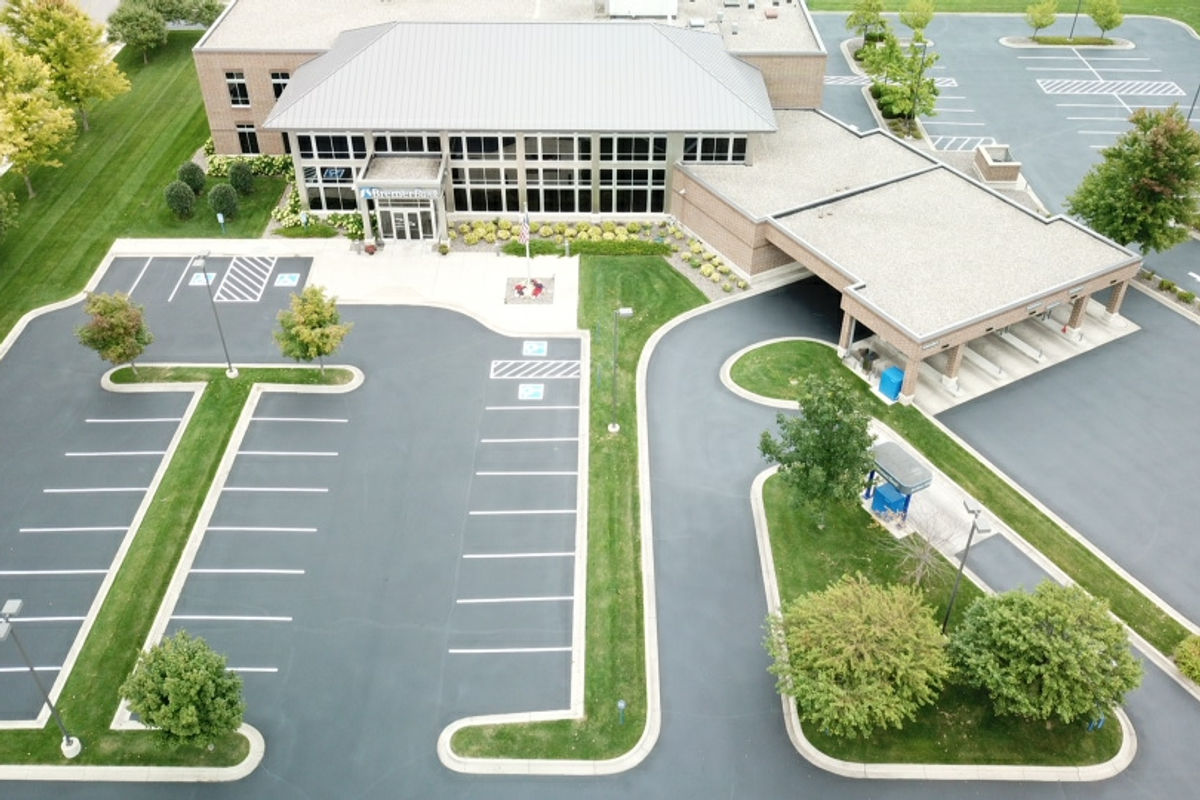
Premium sealcoating using the industry's best asphalt emulsion sealants, giving us the real advantage in superior aesthetics, longevity, wear resistance, protection, and safety.
Learn more →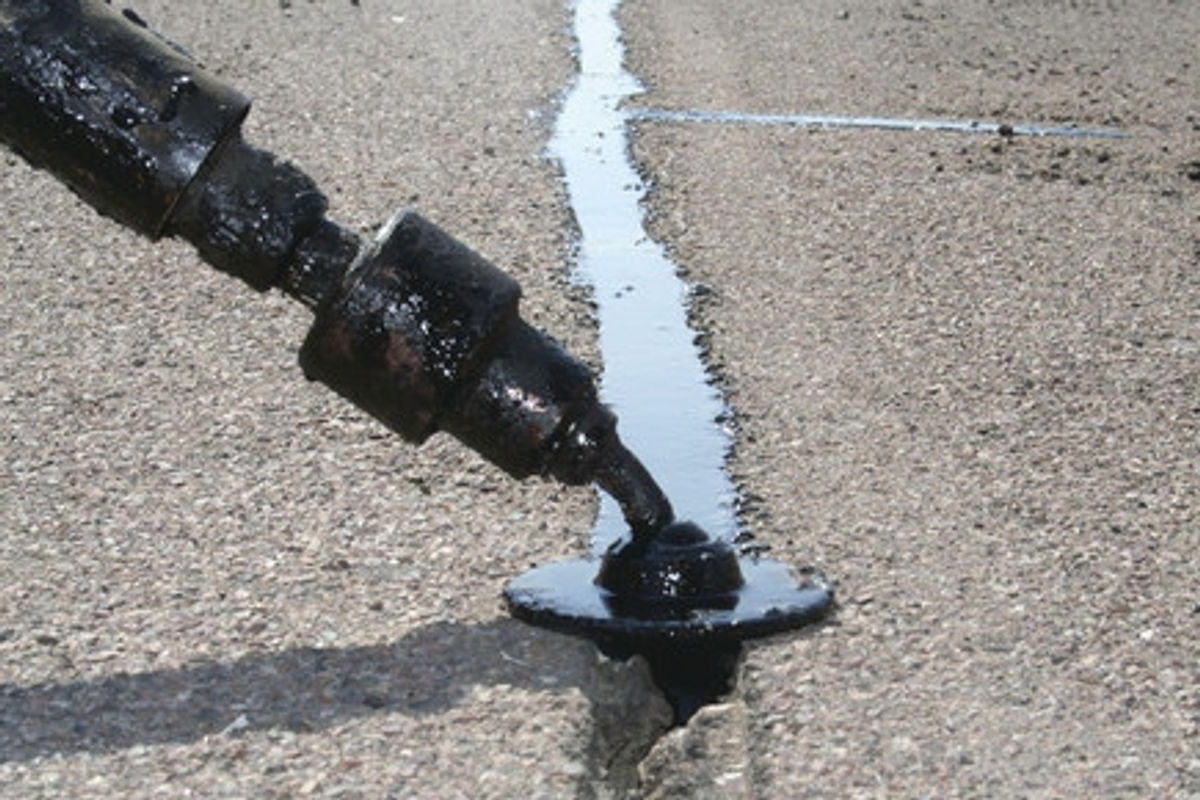
Crack Filling & Repairs
Expert crack filling with MNDOT-specified materials and application methods to stop damage in its tracks.
Learn more →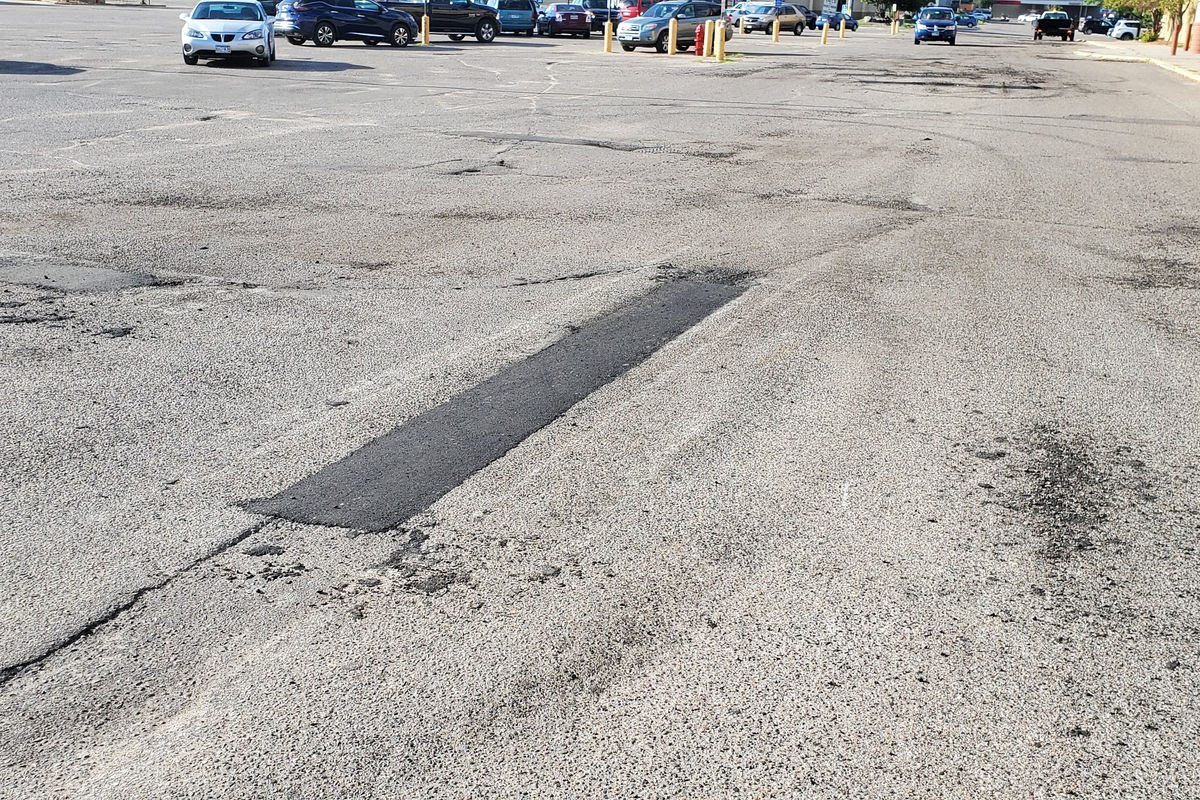
Asphalt Patching
Reliable patching, from small mastic repairs to larger mill-and-replace projects, eliminating potholes and restoring smooth, durable pavement.
Learn more →Ready for a smoother, longer-lasting lot or driveway?
Free estimates. No high-pressure sales. A family team that answers the phone and shows up when promised (weather permitting).